A week of testing on a small patch of skin can save you from a red, itchy face.
The gist
- The American Academy of Dermatology suggests testing a new product on a quarter-sized spot, such as the bend of your elbow.
- Apply it twice a day for seven to 10 days, using your normal amount.
- If your skin becomes red, itchy or swollen, wash the product off and stop using it.
- Products labeled "unscented" may still contain fragrance; look for "fragrance-free" if fragrance bothers you.
New skincare products occasionally cause irritation or an allergic reaction. Testing on a small patch of skin first is an easy way to spot a problem before it shows up on your face.
How to do a patch test
The American Academy of Dermatology (AAD) recommends this method:
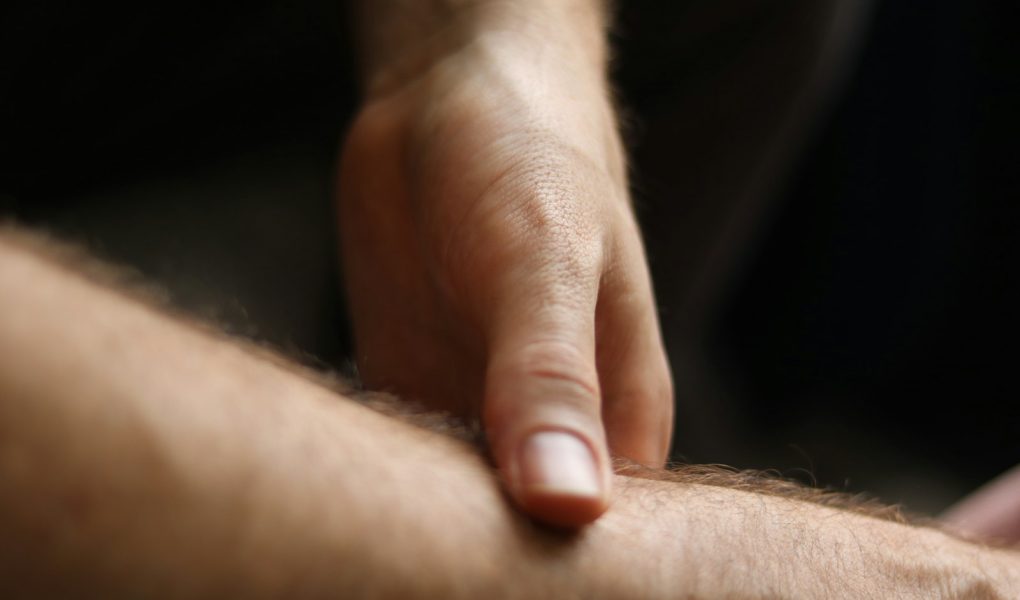
- Choose a quarter-sized spot where the product won’t be rubbed or washed away, such as the underside of your arm or the bend of your elbow.
- Apply the amount and thickness you would normally use.
- Apply it twice a day for seven to 10 days.
- Leave it on as long as you normally would. For cleansers and other rinse-off products, leave it on for about five minutes, or as long as the instructions say.
If your skin doesn’t become red, itchy or swollen during that time, the product is likely fine to use.
If your skin reacts
- Gently wash the product off as soon as possible, and don’t use it again.
- Apply a cool compress or petroleum jelly to soothe your skin, if needed.
- See a dermatologist if the reaction is severe or doesn’t improve.
Beauty tip
Test one new product at a time. If you start several together and your skin reacts, you won’t know which one caused it.
Ingredients to watch
Some active ingredients, such as retinol and glycolic acid, can cause mild, temporary irritation, especially on sensitive skin. Our guide to retinoids explains how to introduce them slowly.
Fragrance is a common trigger. Products labeled “unscented” or made with plant-based botanical ingredients may still contain fragrance, so if fragrance bothers you, look for “fragrance-free” on the label.
Worth remembering
If you keep reacting to products and can’t work out why, a dermatologist can do a medical patch test to find the ingredient that’s causing it.
Worth the wait
A week or so of testing can feel slow, but it’s much easier than dealing with a reaction across your whole face. Once a product passes, add it to your skincare routine on its own for a few weeks.
You asked
Can I test on my face instead?
The AAD suggests a spot where the product won’t be rubbed or washed off, such as the underside of your arm or the bend of your elbow.
What about rinse-off products like cleansers?
Leave them on the test spot for about five minutes, or as long as the instructions say, before rinsing.
My skin reacted. What now?
Gently wash the product off and don’t use it again. A cool compress or petroleum jelly can soothe the area. See a dermatologist if the reaction is severe or doesn’t settle.
This article is general information, not medical advice. For skin, hair or nail problems that worry you, or before starting a new treatment if you’re pregnant, breastfeeding or have a health condition, talk to a board-certified dermatologist or your doctor.